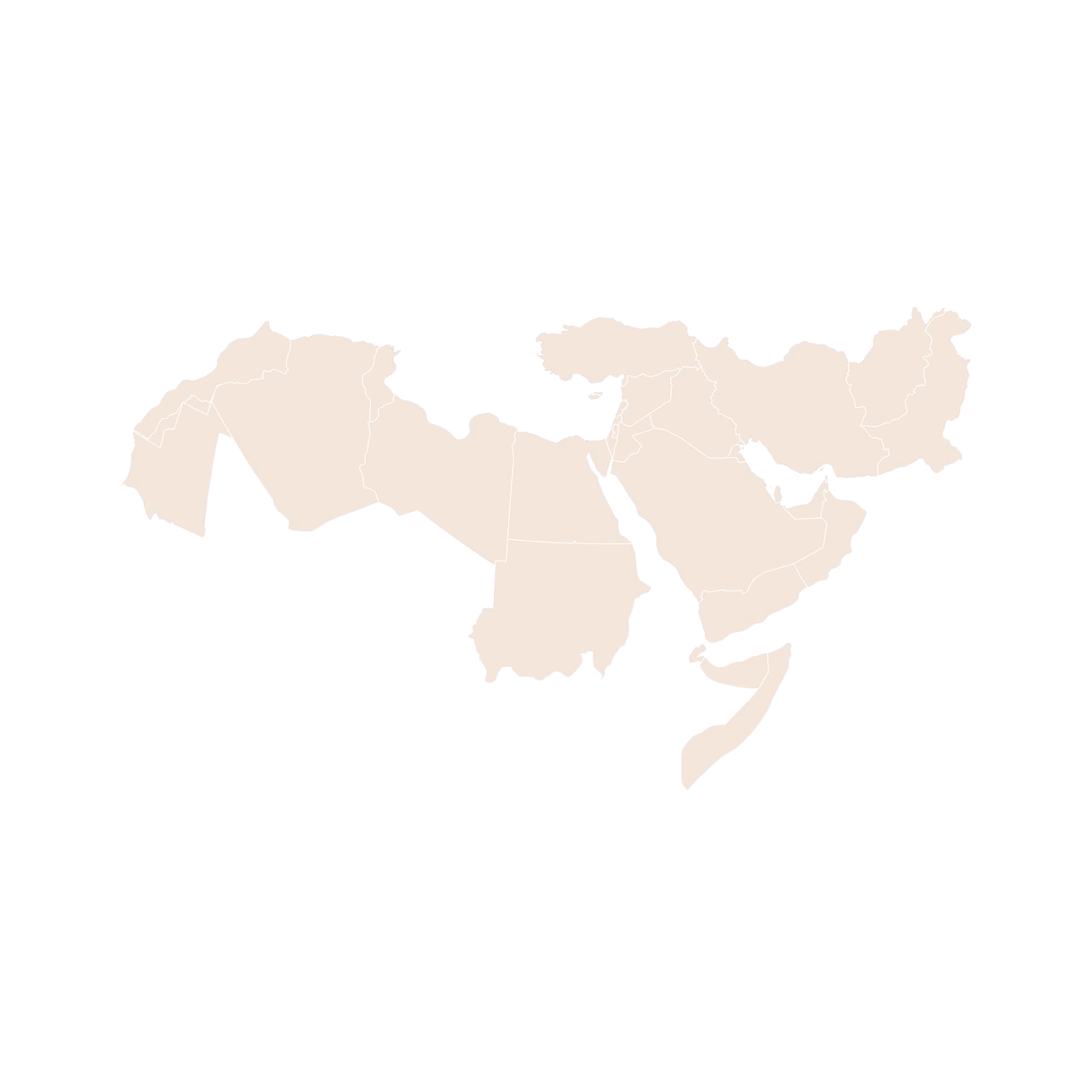
Traveling through the Middle East is an incredible experience, but one thing many travelers don’t think about before arriving? Internet restrictions and online safety. In several countries across the region, certain websites, apps, or services may be limited or blocked. At the same time, using public WiFi in hotels, airports, or cafés can put your personal data at risk. That’s where a VPN becomes essential!
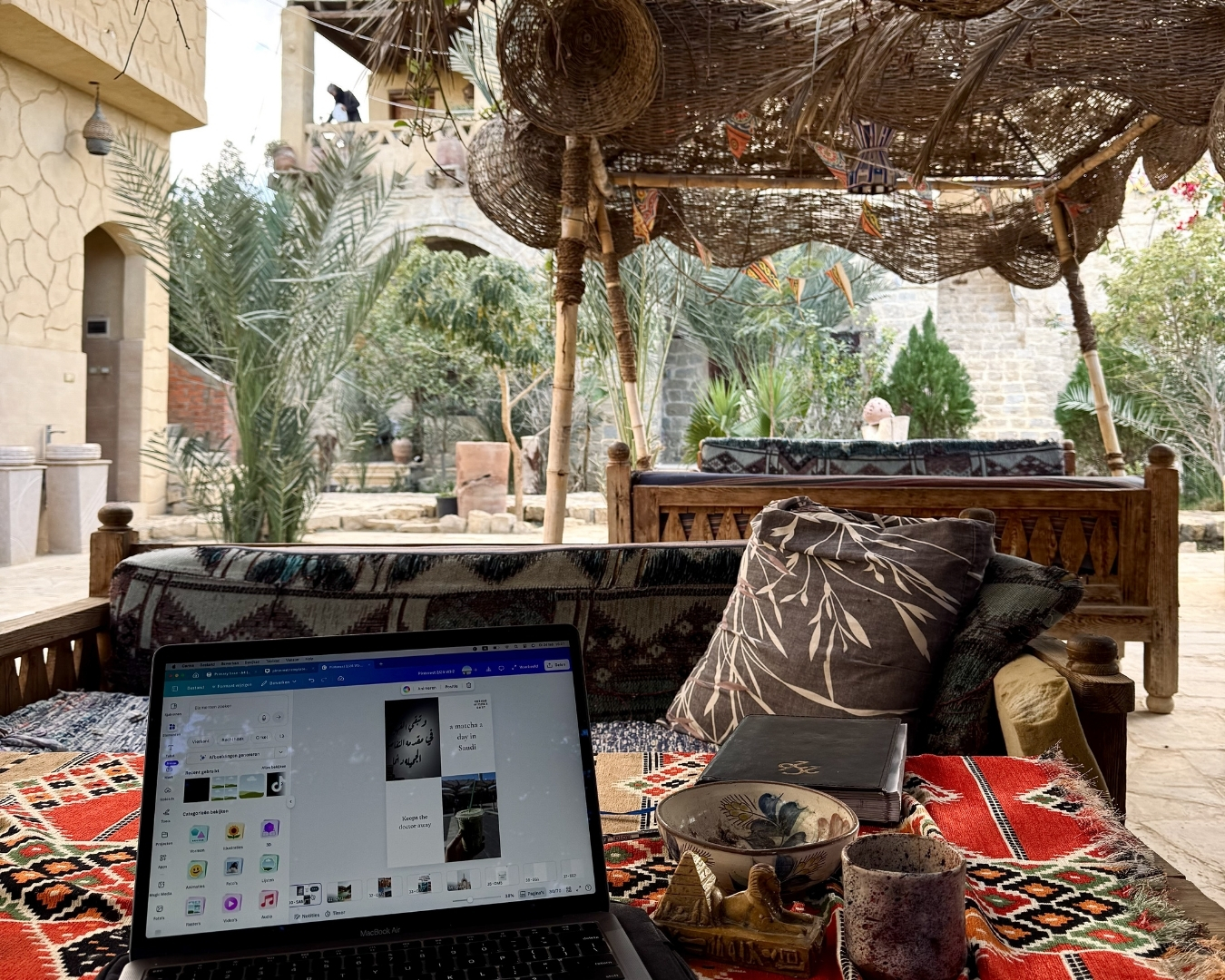
What Is a VPN and Why Does It Matter?
A VPN (Virtual Private Network) protects your internet connection by encrypting your data and hiding your location.
This means you can:
- Access websites and apps that might be restricted
- Keep your personal data safe on public WiFi
- Browse privately without tracking
- Use your usual apps just like you would at home
For travelers, it’s not just a “nice to have,” no, it’s something that can save you a lot of frustration!
Internet Restrictions in the Middle East
Depending on where you travel, you may run into:
- VoIP restrictions (WhatsApp calls, FaceTime, Skype)
- Limited access to certain websites
- Streaming platforms showing different content or not giving access
- Government-regulated internet usage
This doesn’t happen everywhere, but it’s common enough that it’s better to be prepared.
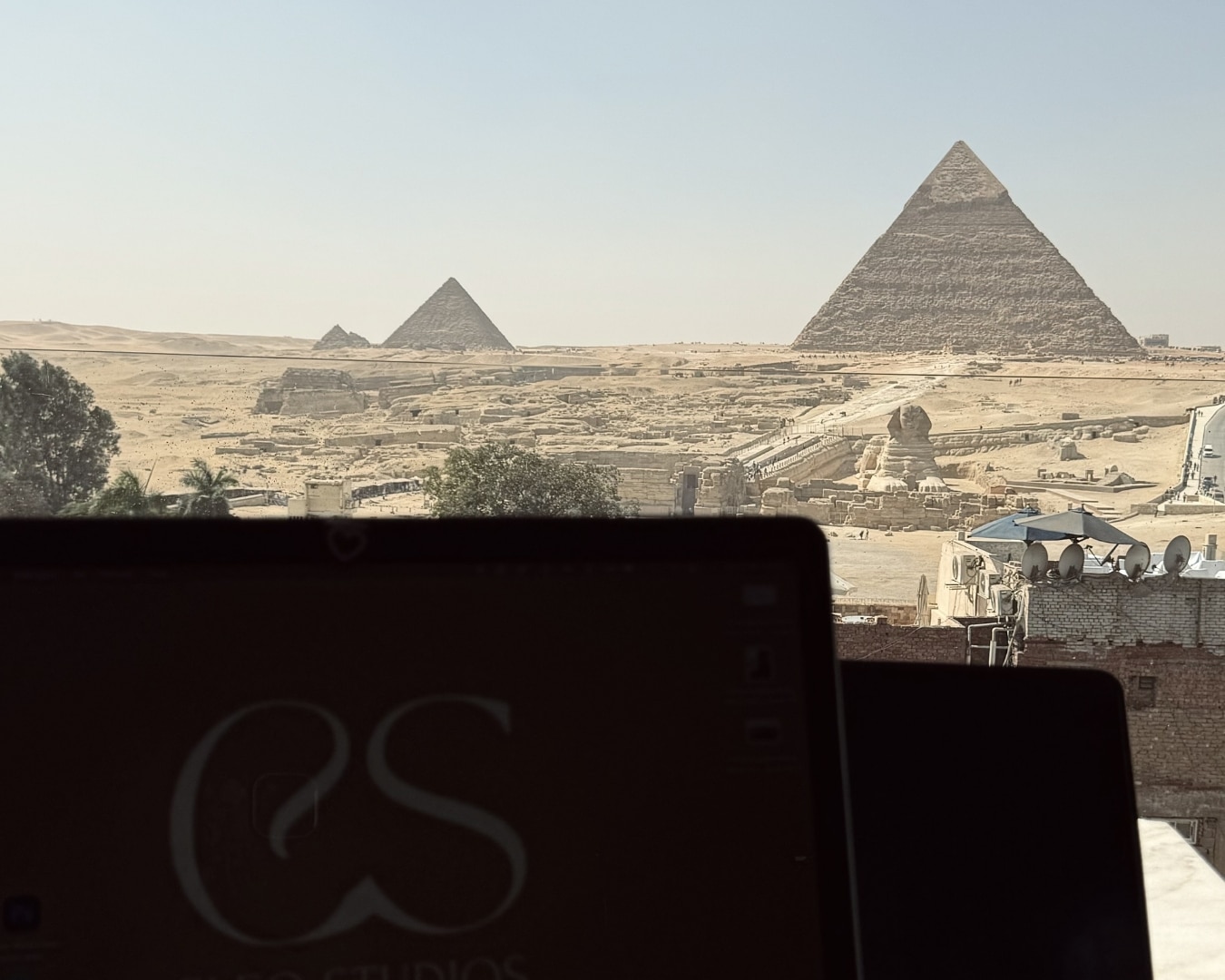
Staying Safe on Public WiFi
When you’re traveling, you’ll likely connect to WiFi in:
- Hotels
- Airports
- Cafés
- Restaurants
These networks are often not secure, which means your data (passwords, banking info, emails) can be vulnerable.
A VPN encrypts everything, so even on public WiFi, your information stays private.
The VPN I Personally Use (And Why)
After trying a few options, I’ve been using Surfshark for the past 3 years, and it’s honestly one of the easiest tools I always travel with.
Why I recommend Surfshark:
- Works reliably in the Middle East
- Very fast connection (important for videos, maps, bookings)
- Unlimited devices (phone, laptop, tablet all at once)
- Easy to use; even if you’ve never used a VPN before
- Affordable compared to most other VPNs
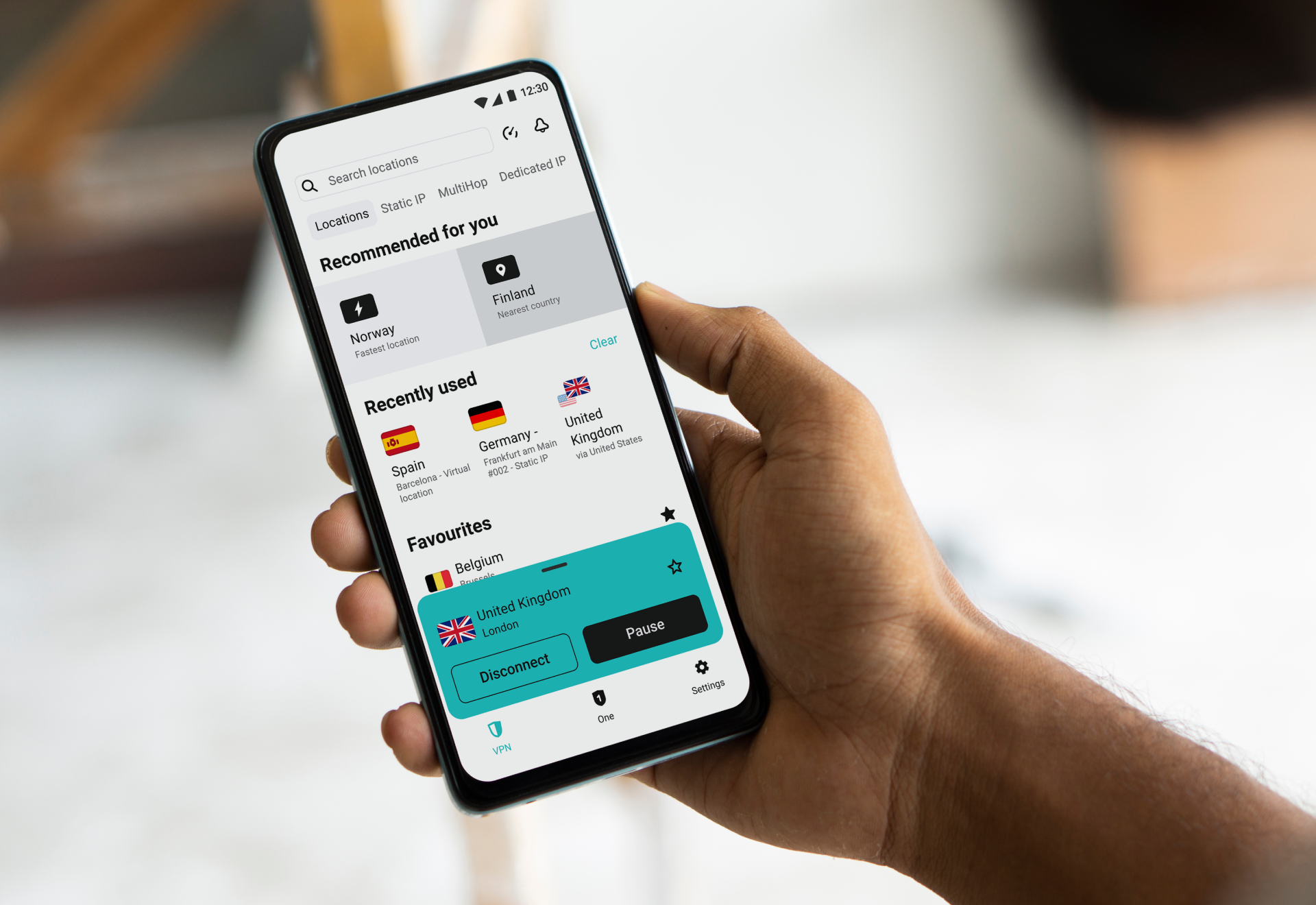
Explore Surfshark
- Works in the Middle East
- Fast & reliable
- Secure on public WiFi
- Unlimited devices
- Easy to use
- Used it for 3 years
How to Use a VPN While Traveling
It’s actually very simple:
- Download the VPN before you travel
- Open the app
- Connect to a server (for example, Europe or your home country)
- Start browsing normally
That’s it.
Tip: Always install your VPN before arriving in your destination, just in case access is limited later.
When You Should Definitely Use a VPN
A VPN is especially useful when you:
- Want to access apps that don’t work locally
- Use public WiFi
- Book flights, hotels, or activities
- Log into personal or financial accounts
- Stream content from home
- Use sensitive data
Final Thoughts
Traveling the Middle East is safe, beautiful, and unforgettable, but being prepared digitally makes your experience smoother and stress-free. A VPN is one of those small things that can make a big difference.
If you want something simple, reliable, and already tested over time, I genuinely recommend Surfshark as it has been part of my travel essentials for years!