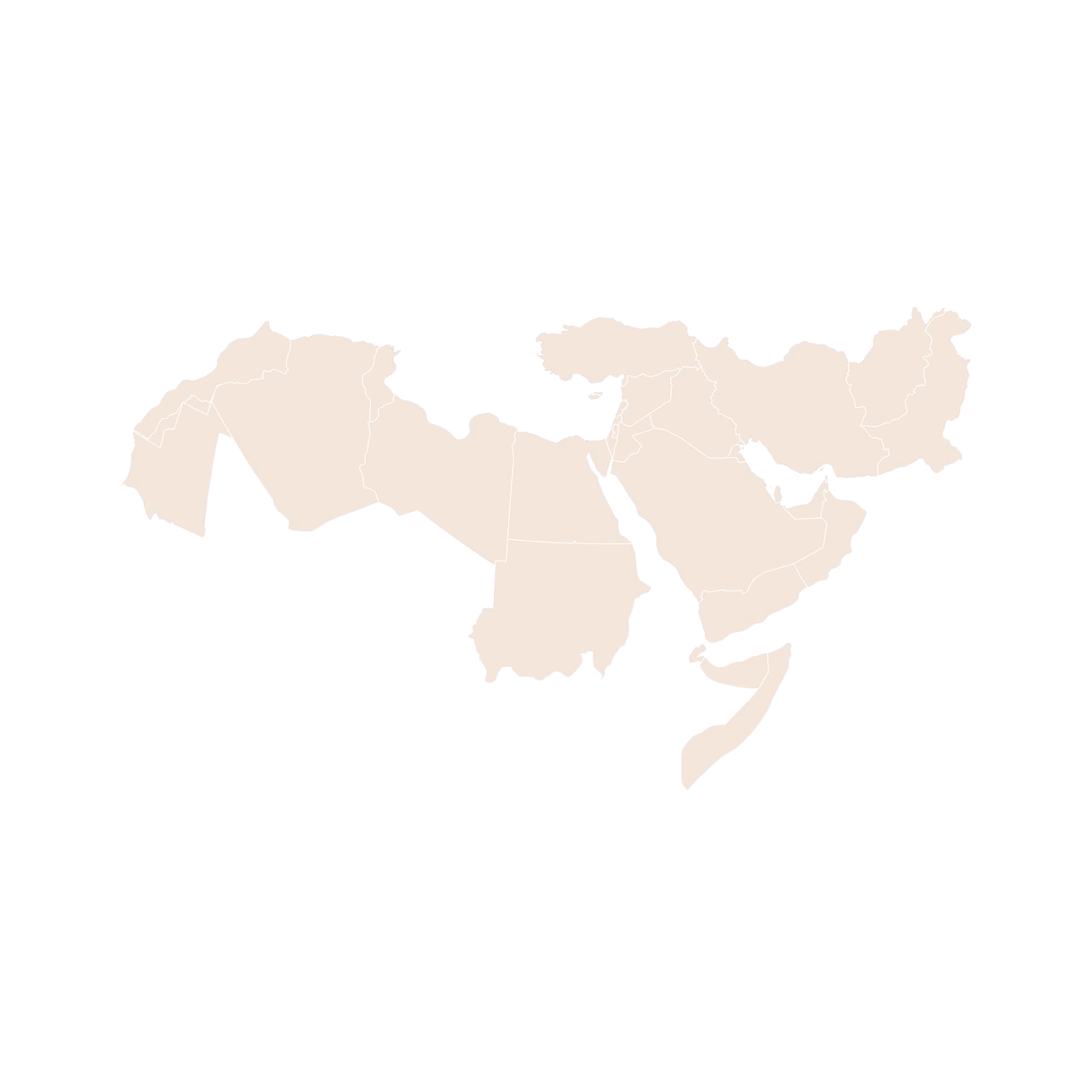
Traveling through the Middle East is an experience that feels very different from most other destinations. The mix of culture, history, and everyday life makes it incredibly rewarding, but it also comes with a level of unpredictability that many travelers don’t fully anticipate. Plans can change quickly, distances can be larger than expected, and activities are often more adventurous than a typical city trip. Because of that, travel insurance is not something that should be treated as optional. It is one of those things you hope you never need, but in the moments you do, it makes a significant difference both financially and practically.
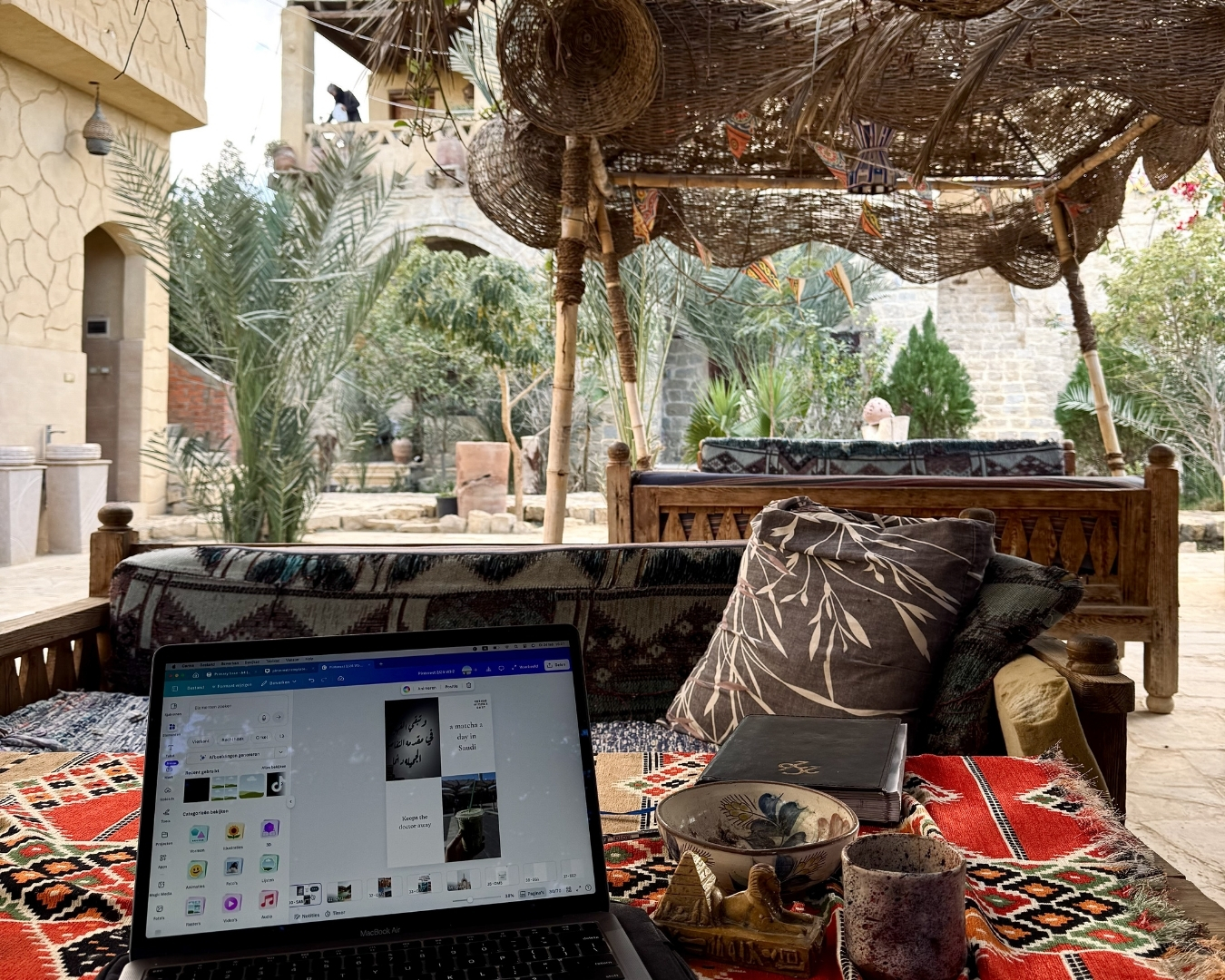
Why Travel Insurance Is Especially Important in This Region
In many Middle Eastern countries, healthcare systems differ widely depending on where you are. Private hospitals can offer excellent care, but they often require immediate payment, and costs can rise quickly. At the same time, travel in this region often includes activities such as desert excursions, horse riding, or long-distance transport between cities, all of which increase the chance of unexpected situations.
Even something relatively minor, such as a delayed flight or lost luggage, can disrupt your entire itinerary if you are moving between multiple destinations. Having insurance in place ensures that these situations remain manageable rather than stressful or expensive setbacks.
What Your Travel Insurance Should Cover
When choosing travel insurance for the Middle East, it is important to focus on coverage that actually reflects how you will be traveling. Medical coverage should always be your priority. This includes emergency treatment, hospital stays, and, if necessary, medical evacuation. Without this, even a short hospital visit can become very costly. In addition, it is essential to check whether your insurance includes adventure activities. Many travelers underestimate this, but experiences like horse riding, desert tours, or similar excursions are not always covered by standard policies. Coverage for trip cancellations and delays is also highly relevant, especially when traveling between countries or relying on connecting flights. Finally, protection for personal belongings such as luggage, phones, or documents adds an extra layer of security during longer trips.
Why I Recommend World Nomads
There are many travel insurance providers available, but not all of them are suited to the type of travel most people do in the Middle East. One of the main reasons I recommend World Nomads is because it is designed with more flexible and experience-based travel in mind.
It offers coverage that aligns well with activities beyond standard sightseeing, which is particularly relevant if your trip includes desert experiences or physical activities. Another advantage is the flexibility it provides, as you can often purchase or extend your insurance even after your trip has already started.
In addition, the process of managing your policy and making claims is relatively straightforward, which is important in situations where you want clarity and speed rather than complicated procedures.
Discover World Nomads
- Covers adventure activities
- Flexible, even while traveling
- 24/7 emergency support
- Easy claims proces
When to Arrange Your Travel Insurance
Ideally, travel insurance should be arranged shortly after booking your trip. This ensures that you are not only covered during your travels but also protected in case something changes before your departure. Waiting until the last moment can limit your options and reduce the level of coverage available to you, especially when it comes to cancellations.
Is Travel Insurance Worth It?
For many travelers, the question is not whether they will use their insurance, but whether they can afford not to have it if something goes wrong. Most trips go smoothly, and in those cases, insurance may feel unnecessary. However, the value becomes clear in situations where unexpected events occur, whether that is a medical issue, a disrupted itinerary, or lost belongings. Given the nature of travel in the Middle East, where experiences are often more dynamic and less predictable, having reliable coverage provides peace of mind that allows you to focus on the journey itself.
Final Thoughts
Traveling through the Middle East offers a depth of experience that is difficult to find elsewhere. From everyday street life to remote landscapes, it is a region that invites you to explore beyond the surface. Having the right travel insurance in place simply ensures that you can do so with confidence. If you are looking for an option that aligns well with this type of travel, World Nomads is a strong and reliable choice to consider.